iPartner India was founded in 2007 to offer an opportunity to the Asian diaspora in the UK to contribute towards creating a just and equal society in India. Their mission is to give voice to grassroots NGOs and inspire individuals and businesses to join efforts in creating a better India. They currently have a pan-India network of over 200 validated organisations, working in six interconnected areas: Vulnerable Children, Education, Women and Livelihoods, Health, Environment and Anti-Child Trafficking.
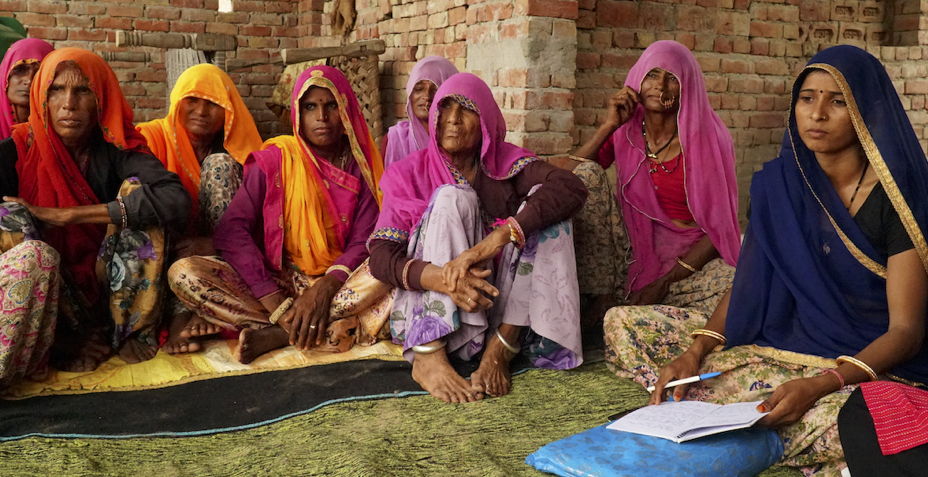
We are currently providing 3-year funding for their Rakshan programme in a rural area of Rajasthan where traditionally 95% of young girls are forced into sex work by male relatives as soon as they reach puberty. The programme breaks the cycle of trafficking and creates safe spaces for children by working with the entire community to protect and support the girl child. We are supporting their project to help boost the income of women and increase food security by supporting them to create 450 smart kitchen gardens. They hope to increase the nutrition levels of 2,250 family members, generate income for the family through the sale of surplus produced, improve school attendance and financial literacy, and increase the use of renewable energy.
At 31 December 2025 the project was on course to achieve its targets. The farmers expressed that they not only appreciate the superior taste of the vegetables from their smart gardens but that their children have increased energy and greater vitality in daily activities. The monsoon hit Rajasthan late in 2025 and the market price of fresh vegetables shot up but those with the smart kitchen gardens were unaffected because the gardens are carefully designed to maximise the use of available water resources. Rakhshan distributes monsoon adapted seeds and advise on chemical-free crop growing. It is calculated that each smart kitchen garden household is saving £20-£25 a month on vegetable expenses.
Rakhshan has noted that there is a notable shift in attitudes towards girls’ education with 60 additional enrolled school children in 2025. In 2025, ten garden sites piloted a scheme whereby the soil was enhanced with biomass ashes rich in biochar, a by product of another Rakhshan initiative. The expert monitoring the outcome observed better soil fertility, water retention and vegetable yields. Self Help Groups set up under Rakhshan allow the beneficiary families to support each other across the range of skills needed to manage the smart kitchen gardens and the sale of surplus, and more widely Rakhshan has seen a significant reduction in the risks that a daughter will be trafficked.