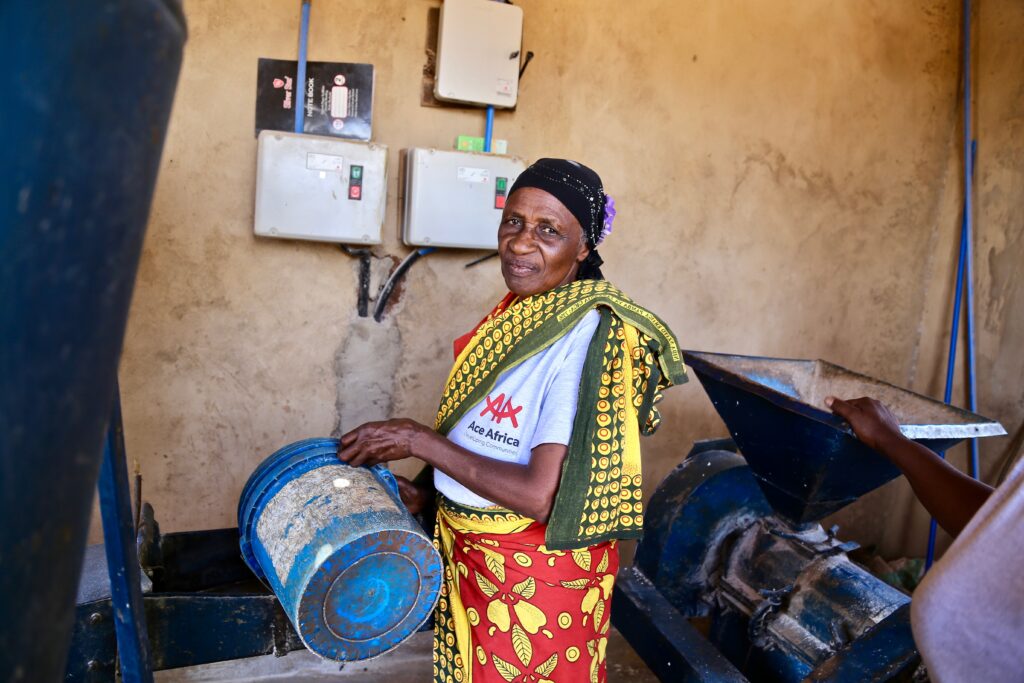
Since 2003, Ace Africa has provided services to over 2 million of the most vulnerable and marginalised people, particularly women, young people and children, living in rural areas of of the Western and Coastal regions of Kenya and the Arusha, Kilimanjaro and Mwanza regions of Tanzania.
Ace Africa works with the local community, government and partners to identify the priority needs of the most at risk in their society and, develop innovative, long term programmes in three broad areas; Community Health, Child Wellbeing and Development, and Livelihoods and Economic Empowerment.
Following a successful pilot, we provided 2-year funding for an Ace Africa project to empower marginalised Maasai women in remote rural areas in Arusha, Northern Tanzania, with the skills and knowledge to improve their family health and economic security. In these areas, women have little knowledge of services available to them and rarely visit formal health facilities due to distances, cost, cultural barriers and stigma associated with Maasai health behaviour. In particular, women and children do not attend ante natal or services for children under 5’s. The project will improve the health, wellbeing and economic status of Maasai women and their children, by increasing knowledge of and access to local health services and village and community banking services.
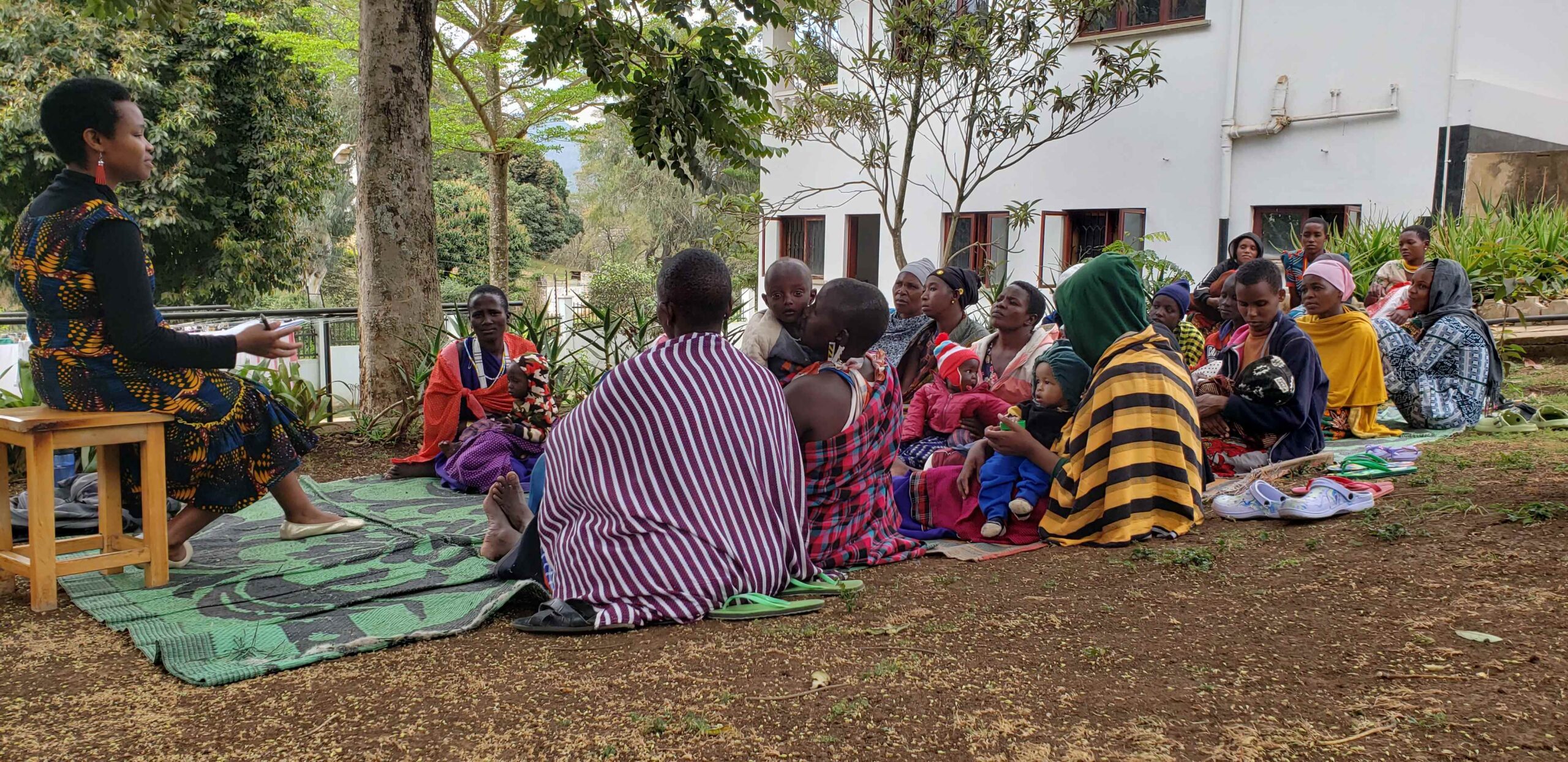
Ace Africa has an understanding that the time frame for bringing about self-sustaining change within a community is around 15 years provided it is carefully thought out and targeted and resourced. Our support only addressed a small element of their wider ambitions and related to the early phases of building awareness. The project mimicked that of the pilot project but with different communities in the Lepurko and Engaruku wards of Monduli and was set up at the request of the local authority. As previously the approach was initiated by bringing street theatre to the beneficiaries with 12 performances held in 2025 reaching over 2,500 potential beneficiaries. Sixty women were trained as community family health advocates providing support to 300 mothers and children under 5, plus another 60 trained in village community banking. These initiatives challenge widely held myths, stigma and culturally biased ideas; given the 15-year time frame to bring about lasting change, it is not possible to project the true impact of our intervention at this point in time.